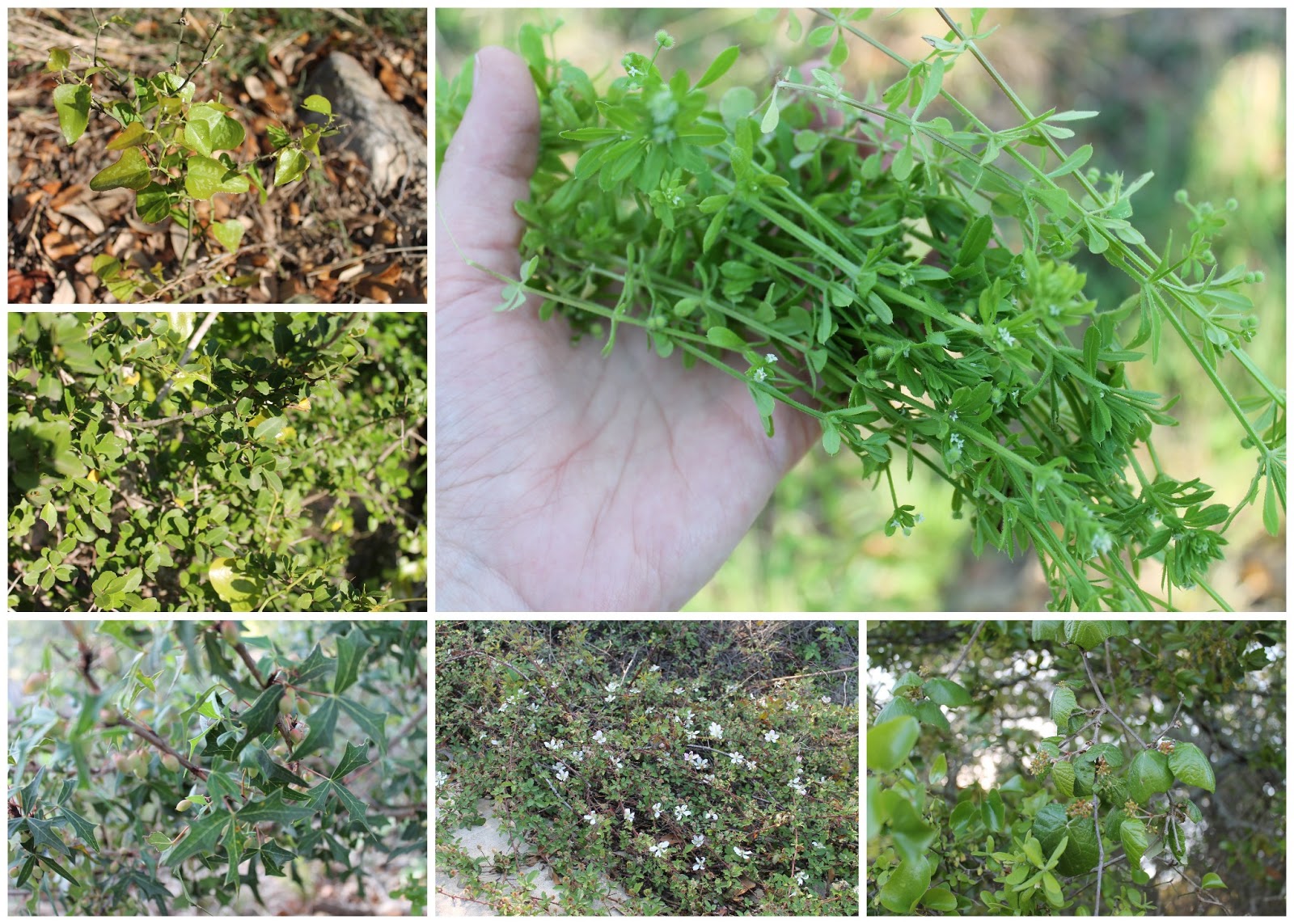
A Semi-Foraged Spring Dinner

A few months ago, my sister shared a video on facebook. I look at everything she posts, cuz she’s my sister, but when I clicked on the video and saw that it was 35 minutes long I said, gaaaahhhh, no way man. I figured I’d just watch a few minutes to see what it was about, but I got sucked in.  I watched it (a few times), I researched its claims (thanks, Al Gore!), and in the end, this video (though it is certainly on the alarmist side) made a huge impact on me.

If you haven’t seen it and don’t care to, let me just sum it up by saying that the video is about peak oil, and how we’re set to run out of fossil fuels in the next 40 years or so, and how renewable forms of energy (sun, wind, geothermal) will not be enough to allow us to maintain our current lifestyle based on crazy cheap goods (and foods!) from around the globe.

The video offers a pretty bleak outlook on what this means for the human race, and I think (and hope) that things won’t ever get as bad as they say. But one thing is for certain: in my lifetime, and certainly in my children’s lifetimes, we will have to start moving back to local economies and local agriculture.

I mentioned (shortly after watching this video in January) that I was trying to spend more of my weekly grocery budget at the farmers market and less at the grocery store. One easy change was switching from grocery store olive oil (shipped from Spain) to olive oil from the Texas Olive Ranch in Kyle, TX (20 minutes from my door). And! a gallon of their cooking olive oil ($40) costs about the same as the equivalent amount of my old Central Market oil and produces way less waste. At the grocery store, I have started paying attention to the country of origin in the produce section and I don’t buy stuff from outside the US or Mexico (basically the only produce I buy from Mexico are my beloved mangos).

Foraging is the next thing on my list. I have always found the notion of eating off the land to be romantic and fun, but now I feel strongly that learning about native edible/usable plants and teaching my son (and his future sibling) about them is a parental obligation. To that end, my family and my sister Joanna‘s family spent last weekend with Grandpa Art and Grandma Mary at their home in the Wimberley countryside. We got a late start, but for dinner on Saturday night we all went a-foraging! Here’s what we found:

(Disclaimer! Please don’t use my images as references in your own foraging adventures.  I am new to this and by no means someone to look to for advice about what you can eat from the wild without getting sick.  Check out a foraging book or two from the library, or, if you’re in Texas, use Merriwether’s fantastic website: http://www.foragingtexas.com/).
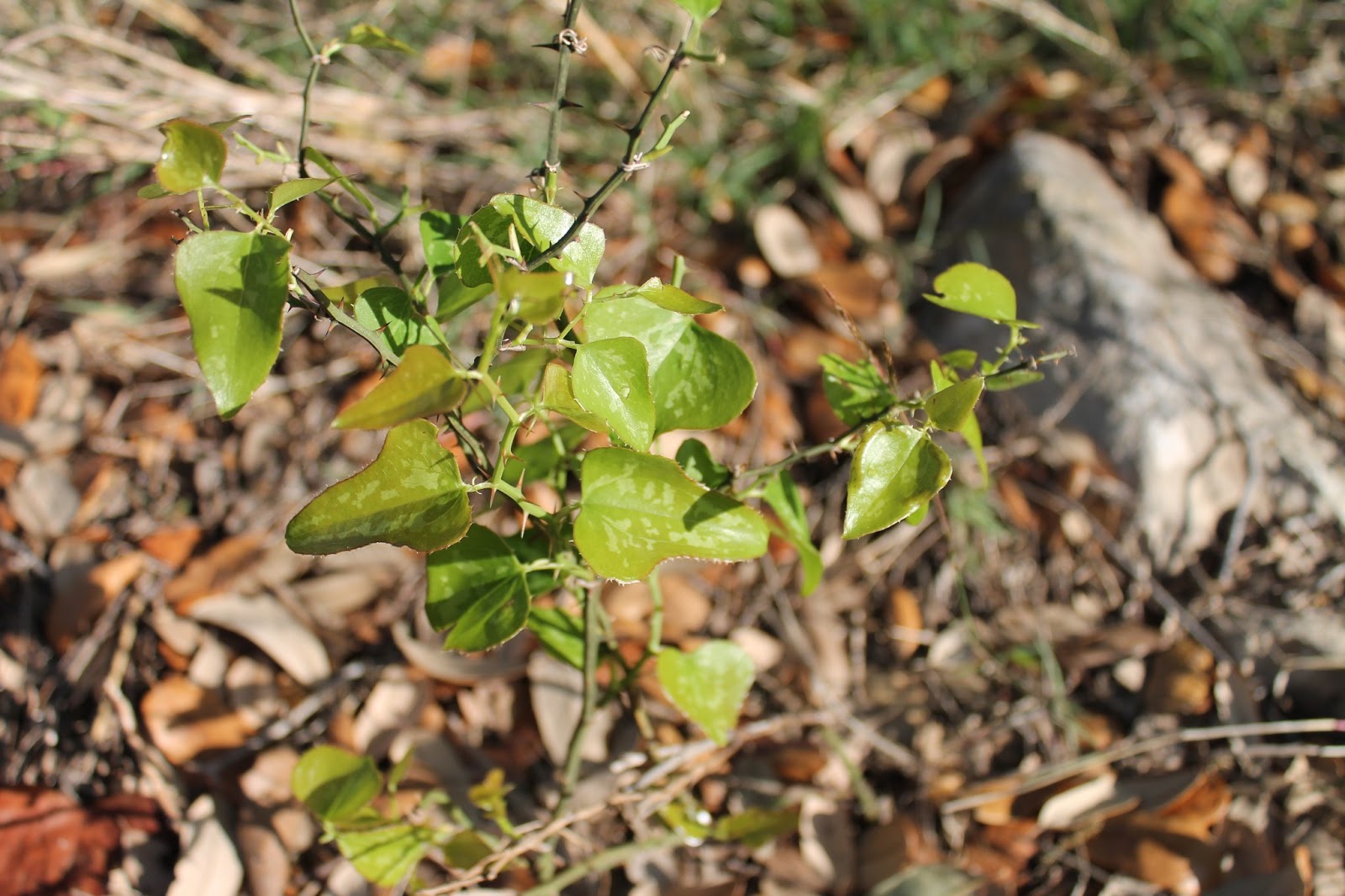
Greenbriar. There was tons of this stuff, and the young tender leaves are great for salads. We picked what felt like a lot of this though, and only ended up with a few tiny handfuls, so we had to supplement our salad with some lettuce that Mary harvested from her classroom garden.

Agarita! Unfortunately we were too early to harvest the berries (which you do by putting a sheet under the plant and shaking it a bit so the ripe, red berries fall off- the leaves are crazy sharp and picking the berries by hand would be really unpleasant).  We’re hoping to head back in a month or so to get our hands on some berries and make agarita jam.
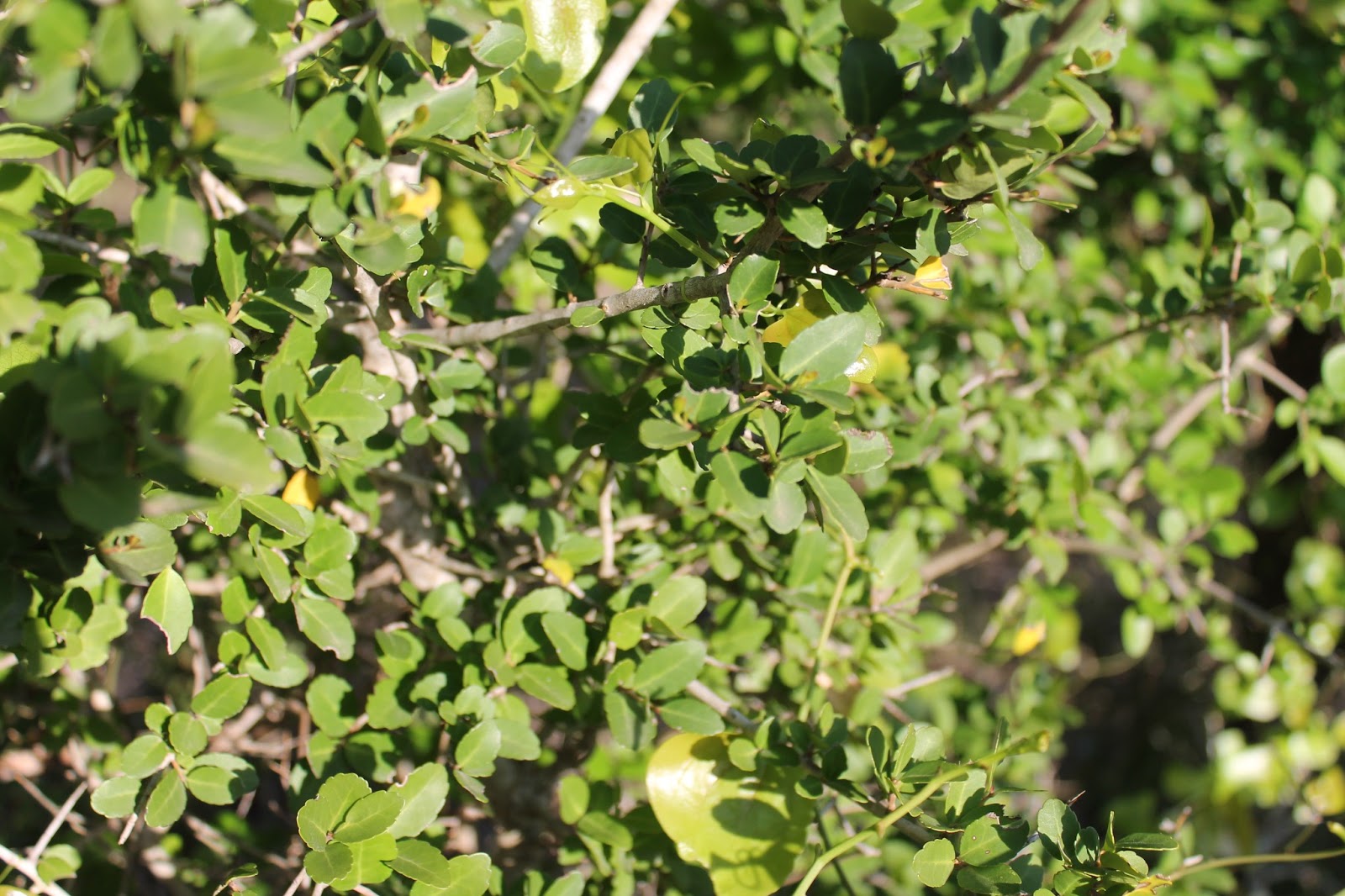
Yaupon! You can dry the leaves and make tea with them- the only native source of caffeine here in central Texas. Air-drying (which takes about two weeks) will result in the caffeine-iest possible yaupon tea. More info here.

Mustang grapes! We were too early for the grapes, but you can harvest the leaves any time and use them like you would any grape leaf (dolmas, grape leaf pie). We picked a few, but I ran out of time to think of a way to use them for our dinner :/

Dewberries! Like the grapes, we were too early for dewberries (will check back next month!). But you can make a(n apparently good tasting) tea from the young leaves, and can make a blended tea with dewberry and yaupon leaves that’s vitamin-rich (don’t ask me which vitamins!).
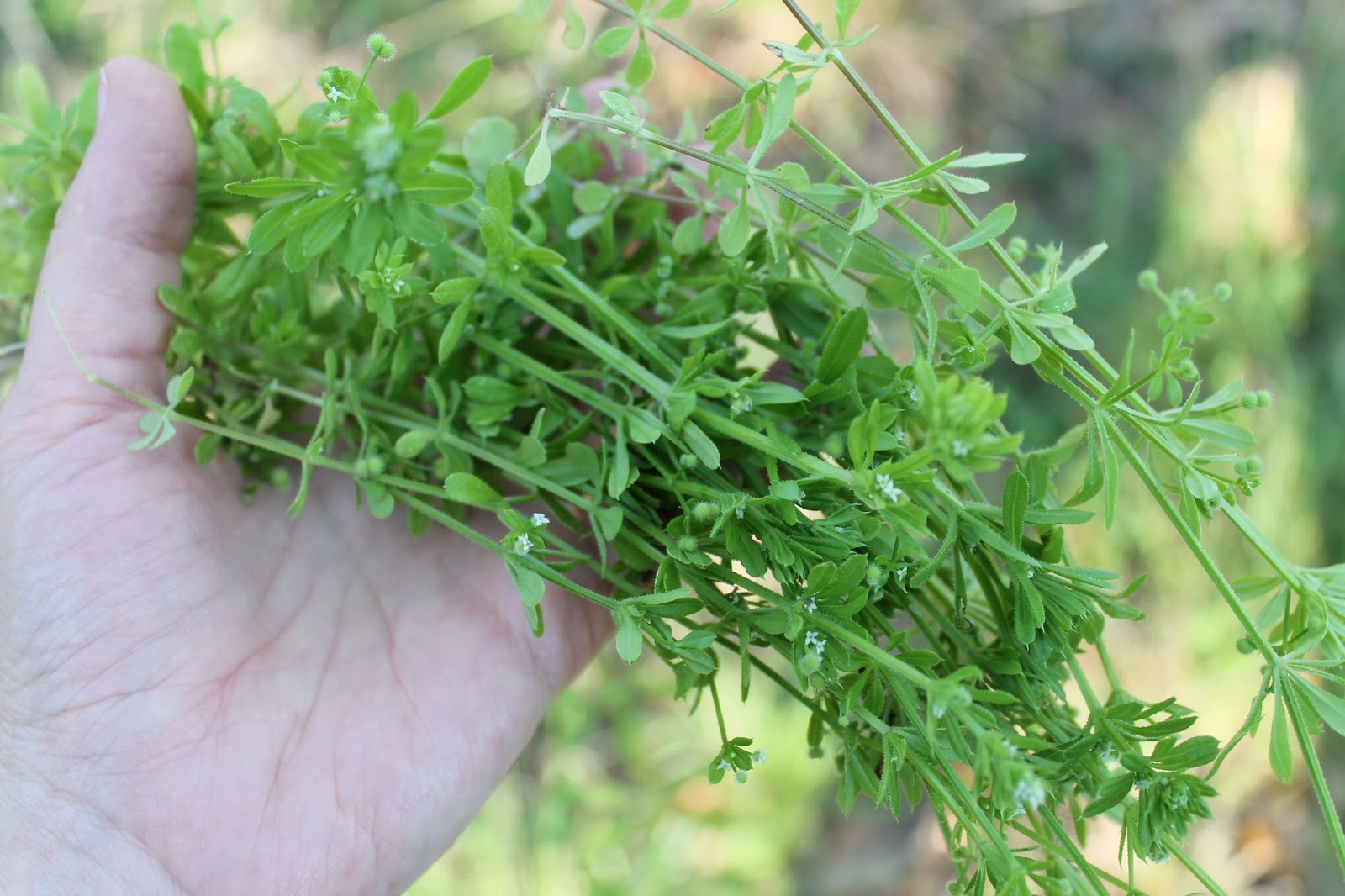
Cleaver! AKA bedstraw. AKA stick-ems (Joanna’s name). This is the stuff that sticks to your socks when you walk through it. Apparently, it’s edible! They feel sticky because they’re covered with tiny hairs- boiling them is said to remove this problem.

After our long foraging walk, it was getting late and we had babies to feed, so dinner was a bit rushed. Even so, we were able to produce a meal using 90ish% local ingredients! Here’s what we had:
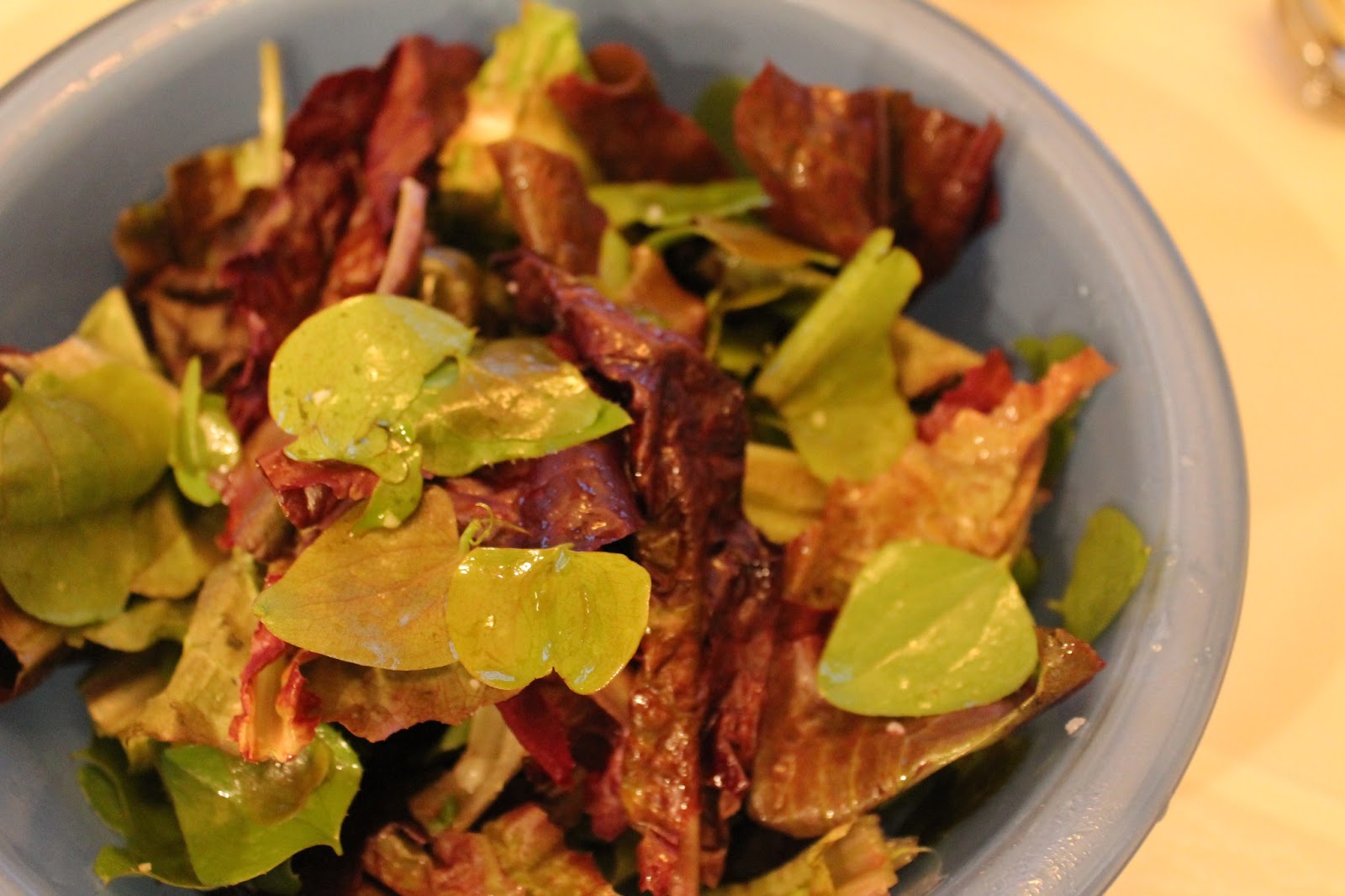
Our greenbriar and classroom lettuce salad, dressed with local olive oil and not-local lime juice. The greenbriar was nice- tender and citrusy. Just allow lots of time for picking- you need a lot to make a salad.

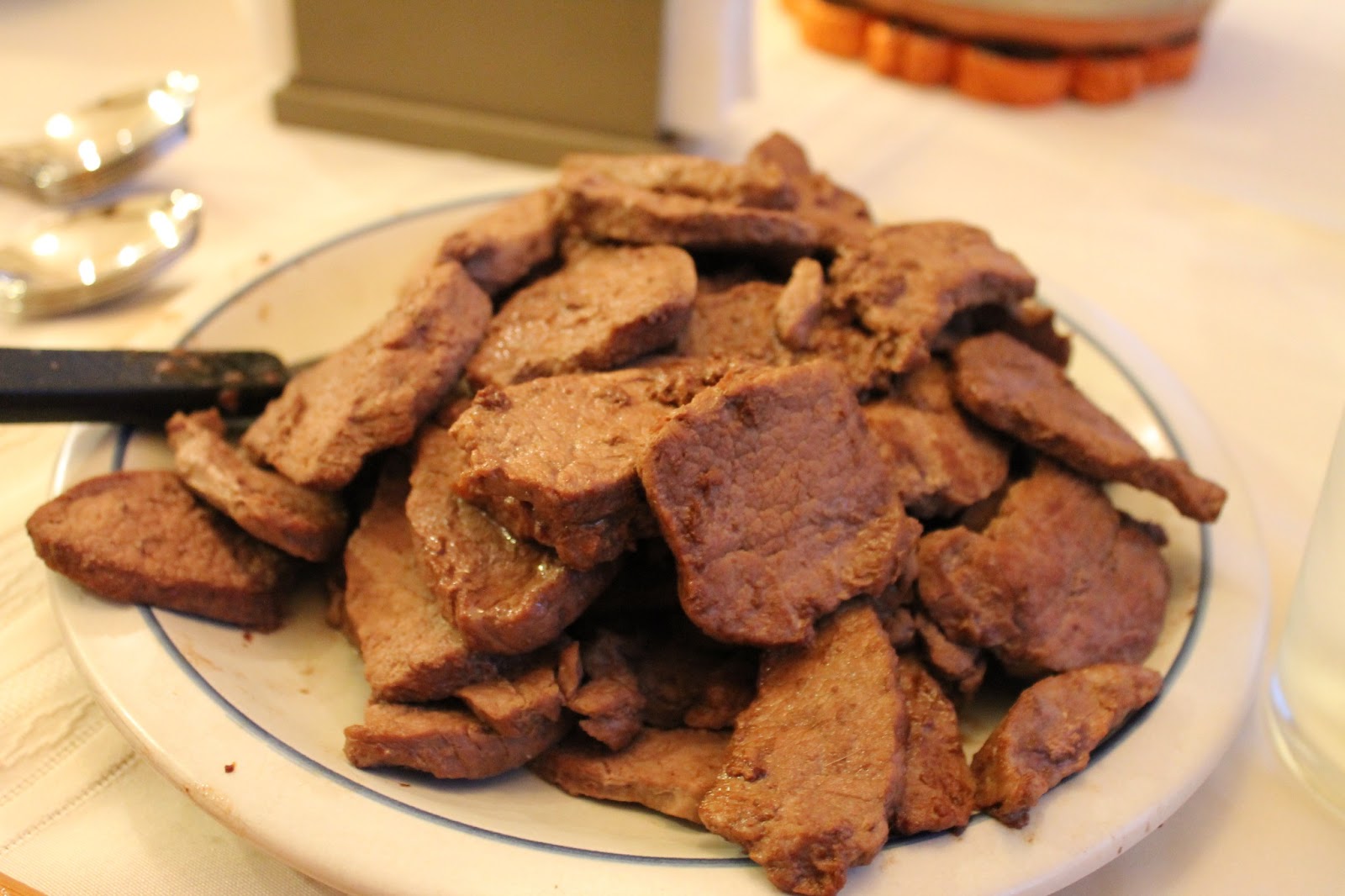
Pork sausage and venison backstrap, from animals Grandpa Art hunted on his property. Both were delicious! There’s more venison in the freezer, and I’m hoping we’ll be able to serve it with an agarita jam next time around.

Handmade pasta with cleaver and local pecan pesto. I mixed eggs from our backyard chickens with non-local flour (left my Richardson Farms whole wheat flour at home :/) and cut the dough into fat noodles.  We dressed them with a pesto made from boiled cleaver, pecans from Andy’s grandparents’ tree in San Antonio, local olive oil, and garlic. It turned out well, but I didn’t feel like the cleaver had much of a taste. Also, I boiled the cleaver for ten minutes, like the books say to, but the hairs were still noticeable (though not at all after being processed into a pesto), which made me wonder if I could have left them raw and ended up with a more strongly-flavored and brightly colored pesto? Maybe a greenbriar pesto next time.

This ended up being a pretty modest first stab at a foraged dinner (as evidenced by the lack of green in the food pictures above), but you’ve gotta start somewhere. I’m proud that we tried, and that at least we got together to enjoy a meal with mostly local ingredients.

In the next month or so, I hope to get back to see about the agarita berries, mustang grapes, and dewberries.  We should also be able to harvest some young cactus pads and I hope to try my hand at making a vegan jerky with them (mentioned here). I’ll let you know how it goes!
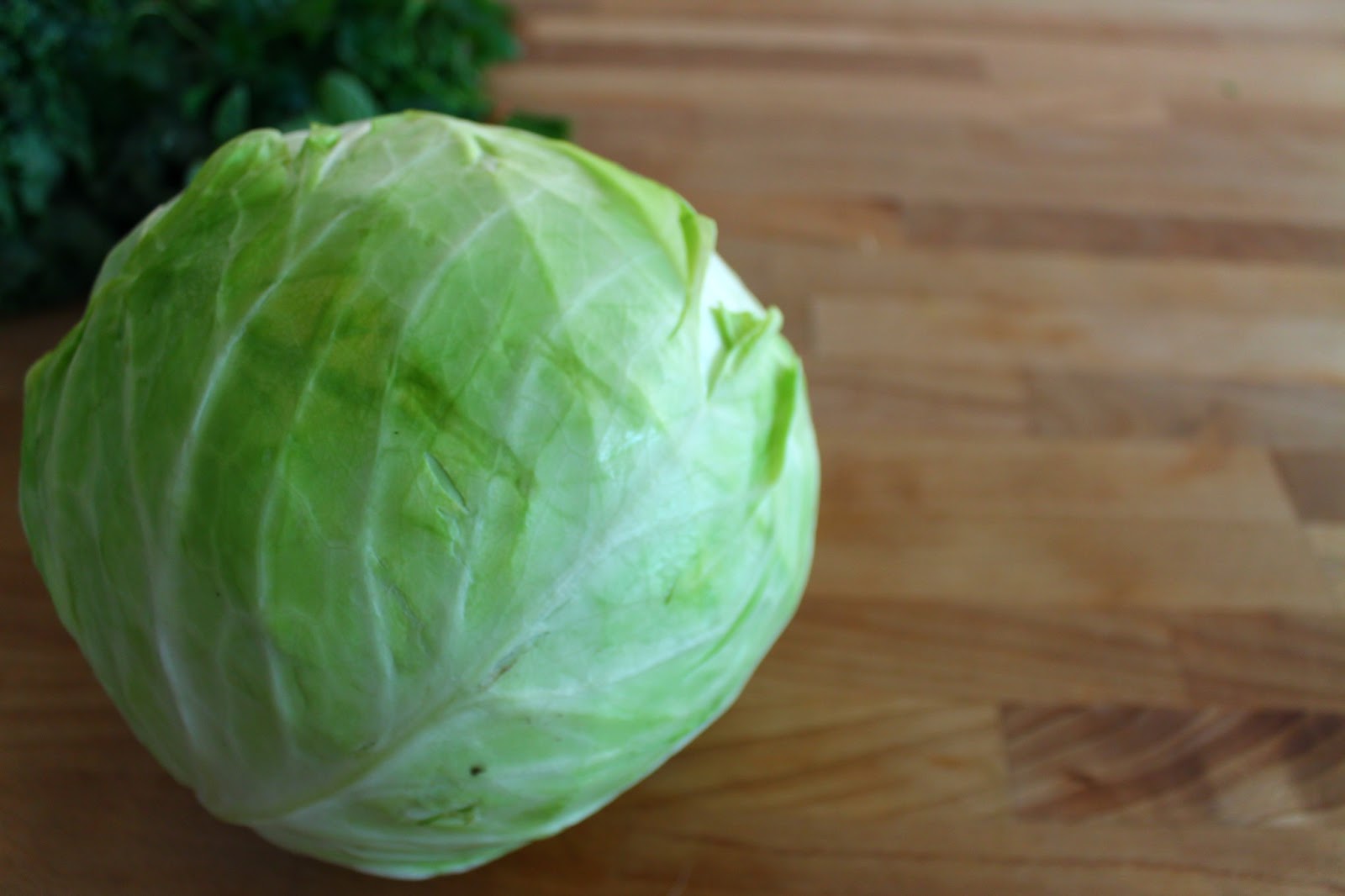
One Head of Cabbage, Five Dinners

If I had to describe my online persona in one word, it would be lurker.  One might get the impression from my sporadic facebook posts that I’m rarely online, busy planting trees and bettering mankind, but that’s unfortunately not true.  I read every post! I know everything about you! I’m super stealthy/creepy.

The same is true of my beloved food52.  I haven’t posted a recipe there in months, but I’m all over that site. I visit it daily, and am constantly inspired by it.  One of food52’s features, Halfway to Dinner, inspired this post. In that series, a talented recipe developer will share five or more recipes all using the same base ingredient (one loaf of bread, one bag of wheat berries, one tub of yogurt…). I love the frugality, creativity, and lack of waste in this type of menu planning and I wanted to try my hand at it. But I took the cheater’s path and cooked five of my favorite recipes from talented cooks instead of developing the recipes myself.  And I loved it! One mammoth 5-pound head of organic cabbage fed us happily for a week, with enough variety to keep us interested. Cabbage is pretty swell.

Peanut Soba, Cabbage, and Chicken Salad. (Gluten Free, Dairy Free)
I love this dinner. For all its components, it’s really simple to put together, and tastes amazing and fresh. The cabbage salad was a revelation for me too. What a difference a little lime juice and salt makes to shredded cabbage! A couple notes: I have never made the chicken part of this recipe as written. Instead, I toss a little leftover roast chicken with some of the peanut sauce and put that on top (you could easily omit the chicken or sub crumbled firm tofu- I have). Also, the recipe calls for 3/4 pound of soba noodles, and all the packages in my grocery store are closer to 1/2 a pound.  Get two packages and cook it all- you’ll have plenty of peanut sauce to dress the noodles and you’ll be happy for the leftovers. 
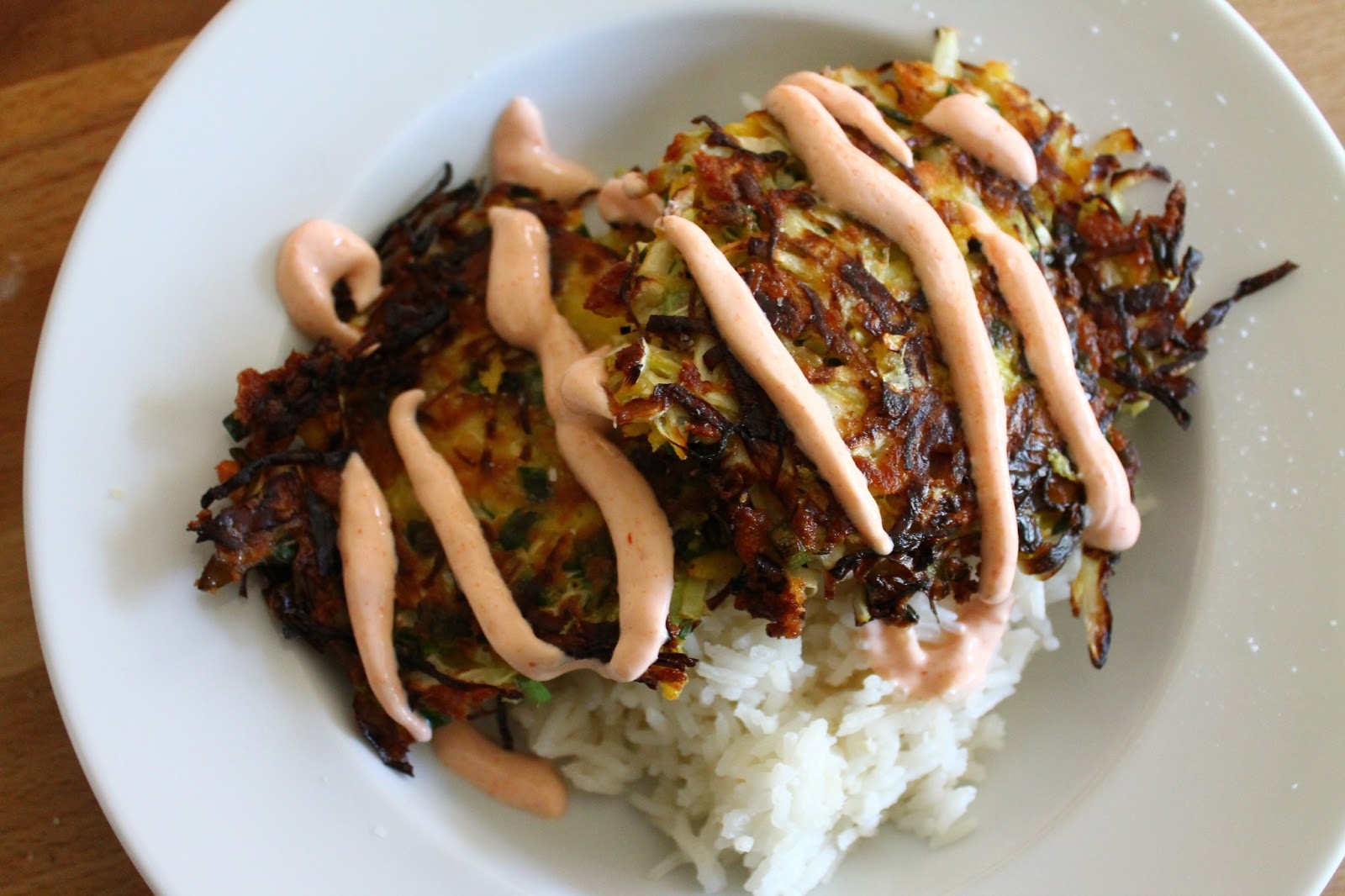
Vegetable Okonomiyaki.(Dairy Free, Gluten Free if you have GF breadcrumbs)
[Be sure to click through to the original recipe to see an example of how to properly drizzle your honey-sriracha mayo. Do not attempt to duplicate the wormy toothpaste-y squiggles I’ve showcased here.] 
These cabbage and scallion pancakes are easy, delicious, and have only a few ingredients. They’re also wonderfully flexible- you can toss anything you’ve got into the mix (leftover meat bits, carrots, what-have-you) and they’ll still come out tasty.
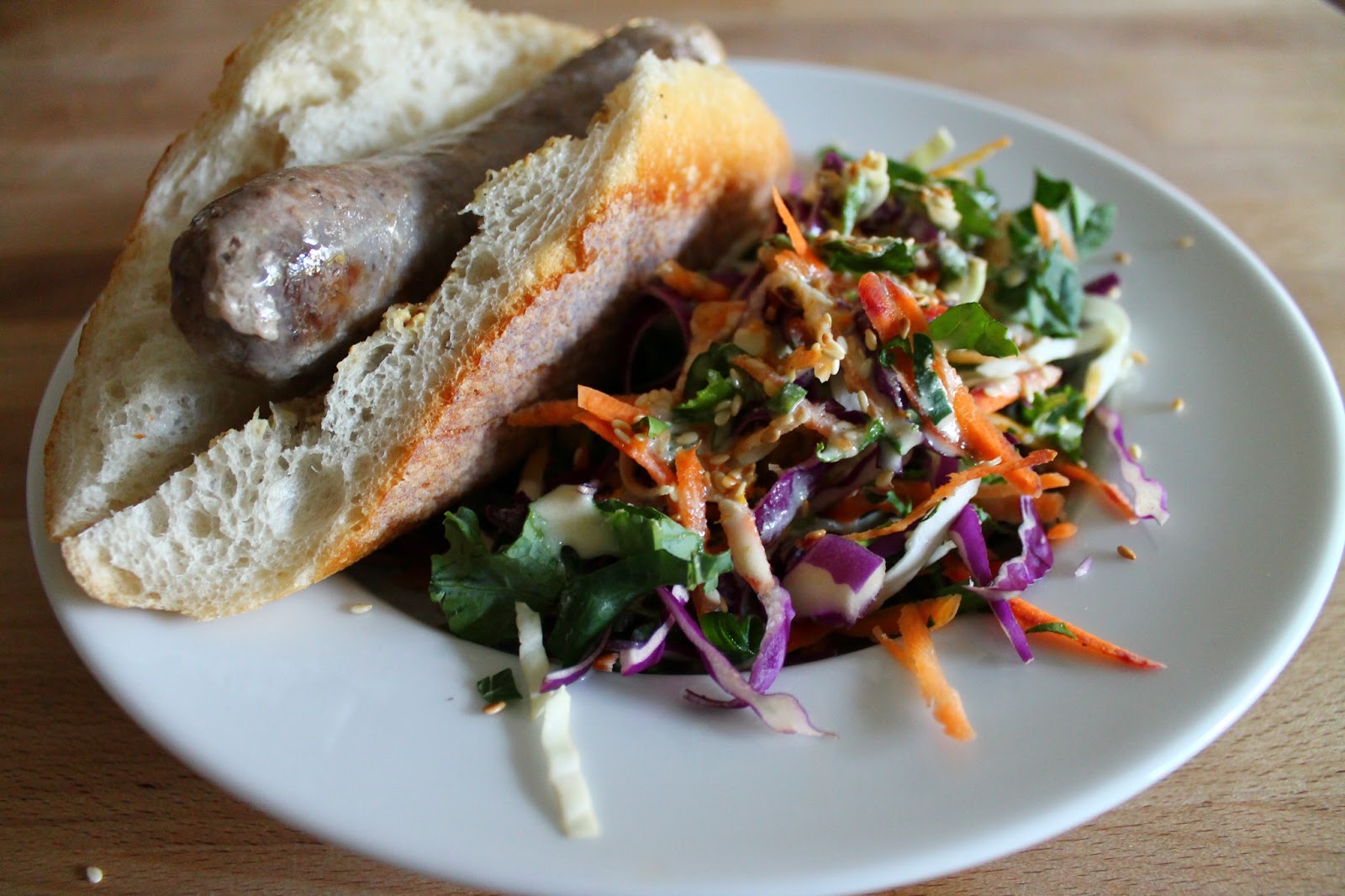
Roasted Sesame Winter Slaw. (Gluten Free (the slaw, I mean, not the baguette), Dairy Free)
This beautiful slaw is a lovely way to eat your cabbage (and kale, and carrots, and another type of cabbage). The dressing is what really makes it great. It’s creamy and rich, but gets that way from tahini instead of dairy or mayo so it’s unabashedly healthy. It also keeps in the fridge (undressed) for days without showing any signs of fatigue. We ate it with roasted sausages (put them on a sheet pan in a 400 degree oven for 14 minutes and they’ll come out perfectly juicy) on baguettes with whole grain mustard. 
Salvadoran Pupusas con Curtido. (Gluten Free, Can easily be dairy free if you change up the filling)
Have you had pupusas? My sister and I volunteered for Habitat for Humanity (for, ahem, one single day. woeful.) in LA, and my strongest memory from the experience is the taste of my first pupusa. They are the greatest! They’re just masa cakes stuffed with meat, cheese, or beans, but they taste like so much more. This recipe doesn’t quite capture the magic of real Salvadoran pupusas (i.e. from a work-site food truck in LA or an unassuming restaurant in north Austin), but they’re still delicious. The curtido, a cabbage/carrot/onion slaw, is great and goes perfectly with them. It gets a bite from apple cider vinegar that cuts through the richness of the griddled pupusa. 

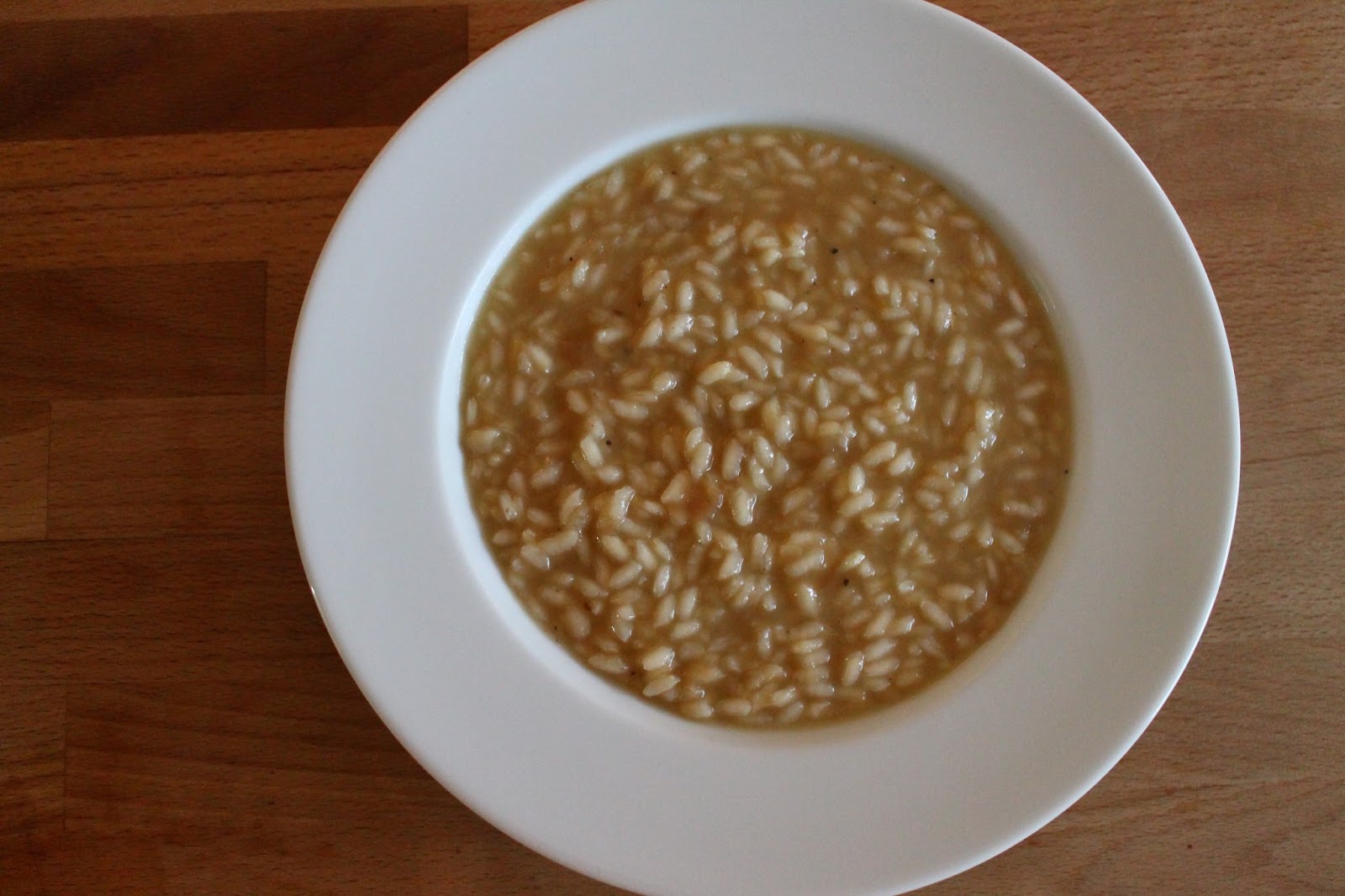
Smothered Cabbage Risotto. (Gluten Free, Incredibly Cheap)

I am certain that I’ve mentioned this risotto on my blog before, but I love it so dearly I’m going to talk about it again. It starts with smothered cabbage, which is delicious and easy, and would be great on lots of things (sausages!), but which melts seamlessly into this silky risotto. I always cook the cabbage in the oven at 300 degrees for around 2 hours, stirring once or twice if I remember, instead of on the stove top. The risotto is simple too.  And perfect for me because you don’t have to have wine on hand (I never do)- the recipe gets its subtle tang from a bit of red wine vinegar instead. I like mine to be closer to soup-y on the risotto spectrum.  If you scoop a ladle-full out into a bowl, the risotto should slip gently to the edges of the bowl instead of remaining where you put it.

So, yes! Cabbage! I really do love all of these dinners. If the idea of a week of cabbage sounds pretty grim and Charlie Bucket-y to you, I hope you’ll consider picking up a wee head of green cabbage from the farmers market and trying just one of these recipes. I bet it’ll make you hungry for more.

Potato, Poblano, and Cotija Tacos

The contest over at food52 last week was for your best cheap feast, and I really wanted to enter it (I love kitchen thrifty-ness challenges!), but I couldn’t think of anything that would be better than these fantastic potato tacos, which are sadly not my own invention. So I thought I’d share them here instead! They are dead simple: boiled potatoes cooked in fat with onions, roasted peppers, and cheese until golden and crispy. Piled into warm corn tortillas with guacamole and a side of beans, they make a mean, and cheap, meal.

For south Austinites, I have been buying my corn tortillas from Tortilleria Rio Grande #2, which is in the strip mall with the (terrible) HEB at the corner of S.1st and William Cannon. The tortillas are much better than anything you can buy at the grocery store and so cheap. And! And! This place sells our favorite tacos in the world.  The desebrada is particularly transcendent- juicy stewed beef with little else, but I’ve really loved everything I’ve tried there. To me, it is on par with the much-hyped (and deservedly so) Taco More, but so much closer to home.

Potato, Poblano, and Cotija Tacos
adapted from Rick Bayless’s Papas con Rajas recipe in Authentic Mexican

  • 1 lb yukon gold potatoes, peeled and cut into 1-inch chunks
  • 3 medium poblano peppers (you can substitute any large green non-bell pepper)
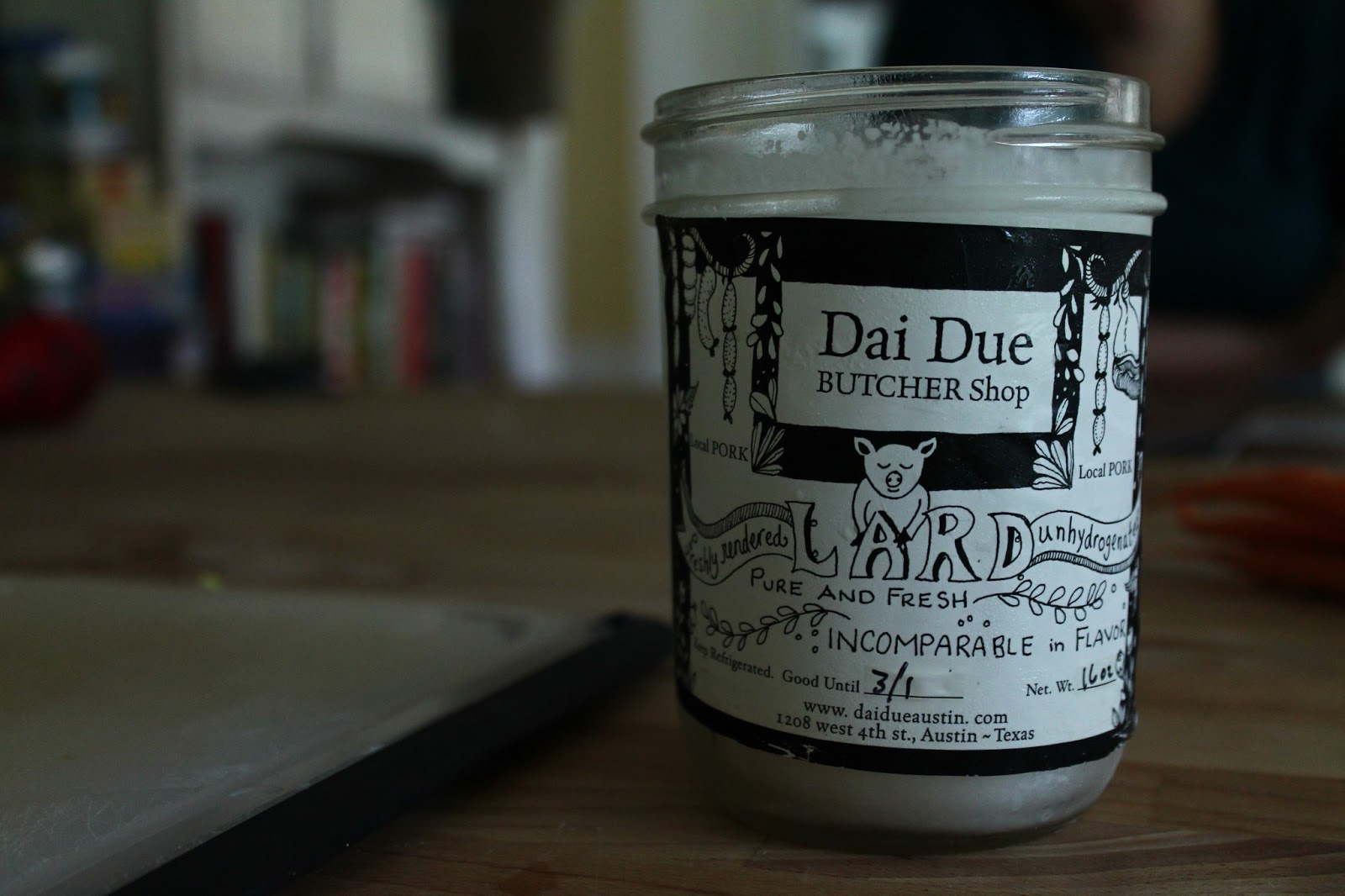
  • 1/4 cup lard or vegetable oil, plus extra as needed
  • 1 small onion, peeled, halved, and thinly sliced
  • 1 cup crumbled cotija cheese
  • kosher salt
  • corn tortillas, warmed
  • guacamole and limes, for serving
  1. Put the potatoes in a medium-sized pot of salted water, bring to a boil, and then lower the heat and simmer for 15-20 minutes, or until tender (a knife inserted into a potato should slip right out). 
  2. While the potatoes are boiling, roast your peppers. Place an oven rack in the highest position, turn your broiler to high, and put the peppers directly on the rack under the broiler.  Broil, turning occasionally, until the outsides are charred and crackly, about 10 minutes total. Remove the peppers to a bowl and cover with a dish cloth so they can continue to cook in their own steam for 5 more minutes or so. Then peel the charred skin from the peppers, remove the stem and seeds, and chop the flesh into 1/8-inch strips.
  3. While the peppers are in the bowl steaming, heat a cast iron skillet over medium heat and add the lard or oil. When hot, add the sliced onions and cook, stirring occasionally, but not letting them get too brown.
  4. When the potatoes are tender, drain them and add them to the pot with the browning onions, using a thin metal spatula to scoop and flip the potatoes often, so that they and the onions get brown and crispy-edged.  I usually splash in some extra oil at this point too, because I like the potatoes to get really crispy, and I like fat, but it’s not necessary. I keep half an eye on the potatoes while heating up the beans and tortillas and making guacamole, but I probably cook them for 10-15 more minutes in the pan. When they look done to your liking, mix in the poblano strips and the crumbled cheese and let them hang out in the pan a minute more, so the cheese gets melty and a little brown in places. Season with kosher salt to taste. 
  5. Serve the potatoes in warmed corn tortillas with guacamole and limes and a side of beans.